

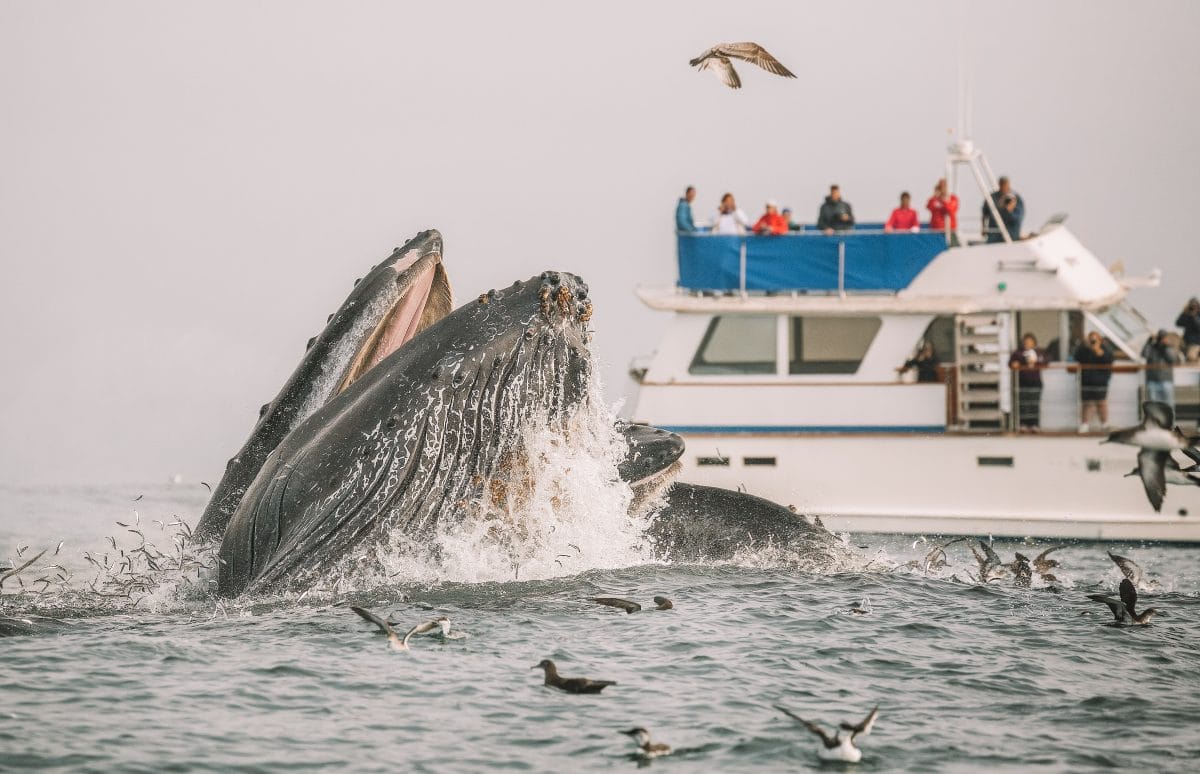
Quick answer
The best monterey whale watching time is early: the wharf at 84 Fisherman's Wharf is open 07:00–19:00 daily, and the 08:00–09:00 window brings calmer seas and clearer visibility. Boats run throughout the day year-round, but morning departures on Monterey Bay generally mean steadier water and easier sightings of humpback whales.
Few whale-watching grounds put deep water this close to the dock. The Monterey Submarine Canyon drops more than a mile below the surface only minutes from Fisherman's Wharf, funneling nutrient-rich upwelling toward the coast. That underwater cliff is why so much marine life gathers within a short boat ride, and why understanding monterey whale watching time matters more here than raw luck. The question most visitors bring is really about water, not the clock. Wind builds through the day across Monterey Bay, so a trip that leaves flat and glassy at breakfast can turn choppy by afternoon. Naturalists on the boats read this pattern constantly, tracking swell and glare as much as they track fins. The animals themselves shift with the seasons — humpback whales feed through the warm months, gray whales pass on their long migration, and blue whales appear when krill is thick — but the daily texture of a trip is set largely by the sea state. For planning, that means treating timing as a range rather than a single slot. The wharf sits inside the Monterey Bay National Marine Sanctuary, a protected corridor where operators run trips across the day, and different departures suit different travelers. Photographers often prefer the softer light and steadier water of the first sailings; families sometimes value a later, warmer deck. Sea lions, dolphins, and rafts of sea otters in the kelp are common companions on any of them. None of this requires guesswork. Monterey Bay whale watching tours publish their schedules, and the wharf itself is free to walk, so visitors can scout the docks, read the boards, and talk to crews before committing. Anyone comparing whale watching trips in Monterey will find the real variable is rarely price — it is matching a departure to the day's conditions and to what they most want to see. Read the water, pick a window, and let the naturalists do the spotting. A little attention to the best monterey whale watching time turns a hopeful outing into a well-aimed one, long before the lines are cast off.
“The real variable is rarely price; it is matching a departure to the day's conditions.”
Choosing the Best Monterey Whale Watching Time by Season and Hour
The ideal time to watch whales in Monterey Bay is between April and November, particularly during morning departures when winds are lightest.
May to November
High tourist traffic on weekendsHighs 63°F–70°F, low precipitation
Nutrient-rich upwellings attract feeding humpback and blue whales to the canyon. Morning departures provide the smoothest boat ride before afternoon winds build.
December to April
Moderate weekend crowdsHighs 58°F–62°F, frequent winter rain
Thousands of gray whales migrate through the bay on their journey between Alaska and Baja California. Pods travel close to shore, making sightings reliable.
Mid-April to May
Moderate during spring migrationHighs 62°F–64°F, mild spring breeze
Killer whales frequent the bay to hunt migrating gray whale calves. Sighting frequency spikes during these weeks, though these predators can appear year-round.
Weekday mornings
Lowest boat and wharf attendance—
Booking the 08:00 to 09:00 window secures calmer seas, as ocean winds typically increase after midday. Early departures also offer clearer surface visibility.
Verdict: Book a Tuesday to Thursday morning tour between May and October, arriving between 08:00 and 09:00 for the calmest sea conditions.
Monterey Whale Watching Time and Daily Departure Schedule
The booking office operates daily from 07:00 to 19:00, providing ticketing services and check-in for scheduled morning, afternoon, and sunset departures.
| Monday | 07:00–19:00 | Daily schedule applies |
|---|---|---|
| Tuesday | 07:00–19:00 | Daily schedule applies |
| Wednesday | 07:00–19:00 | Daily schedule applies |
| Thursday | 07:00–19:00 | Daily schedule applies |
| Friday | 07:00–19:00 | Daily schedule applies |
| Saturday | 07:00–19:00 | Daily schedule applies |
| Sunday | 07:00–19:00 | Daily schedule applies |
Departure schedules change throughout the year to align with seasonal daylight hours, and trips are subject to cancellation during storms.
How Much Monterey Whale Watching Time to Plan: Tour Lengths
This plan suits first-time visitors booking a standard trip from Fisherman's Wharf, running about 3 to 4 hours door to dock. Use it to map your day around the on-water portion.
Check-in at the wharf
Arrive at 84 Fisherman's Wharf and find your operator's kiosk. Allow 30 minutes to check in, use the restroom, and board before the ramp gets busy.
Boarding and safety briefing
Crew seats passengers and covers deck rules and railings. This takes 10 to 15 minutes before lines are cast off.
Harbor departure
The boat idles out past the breakwater into Monterey Bay. Expect 15 to 20 minutes of slow cruising while the naturalist points out sea lions and the shoreline.
Cruising toward the canyon
The vessel heads to the deep Monterey Submarine Canyon where whales feed. This transit runs 30 to 45 minutes depending on conditions.
Whale watching on the canyon
The bulk of the trip is spent tracking and observing marine life over deep water. Plan for 90 minutes to two hours of active viewing.
Return to the wharf
The boat retraces its route back to the harbor. Budget 30 to 45 minutes for the ride in and disembarking.
Getting to Fisherman's Wharf: Directions and Arrival Windows
Located at 84 Fisherman's Wharf, the departure docks sit at Old Fisherman's Wharf in Monterey, California. The area is easily accessible by vehicle from Highway 1, or via local public transit terminating at the nearby transit plaza.
Highway 1 to Del Monte Avenue to Waterfront Lot
MST Line 20 to Tyler / Franklin stop
Monterey Bay Coastal Recreation Trail from Cannery Row
Monterey Regional Airport (MRY) to Old Fisherman's Wharf
Essential Tips for a Successful Whale Watching Experience
Preparing for the unpredictable conditions of Monterey Bay ensures a comfortable and safe adventure on the water.
Dress in heavy winter layers
Offshore temperatures are significantly colder than on land. Wear a windproof jacket, long pants, and a warm hat to block the cold ocean breeze.
Wear flat rubber-soled shoes
Wet decks are highly slippery. Avoid sandals or heels, opting for rubber-soled footwear to keep your balance on the moving vessel.
Preempt motion sickness early
Monterey Bay swells can be intense. Take motion sickness medication at least an hour before boarding; once nausea begins, it is too late.
Choose the lower back deck
If you are prone to seasickness, stand near the middle or rear of the lower deck. This area experiences less motion than the bow or upper levels.
Use secure straps for gear
Keep cameras and binoculars attached to neck straps. Sudden vessel movements can cause unsecured items to slip out of your hands.
Book early during peak seasons
Summer and holiday departures fill up quickly. Secure reservations weeks in advance to guarantee a spot on your preferred day.
Nearby Attractions to Visit After Your Boat Excursion
Pairing your ocean excursion with local land-based sights helps you make the most of your day in Monterey. Several historic and marine-focused attractions sit directly along the harbor and coastline.
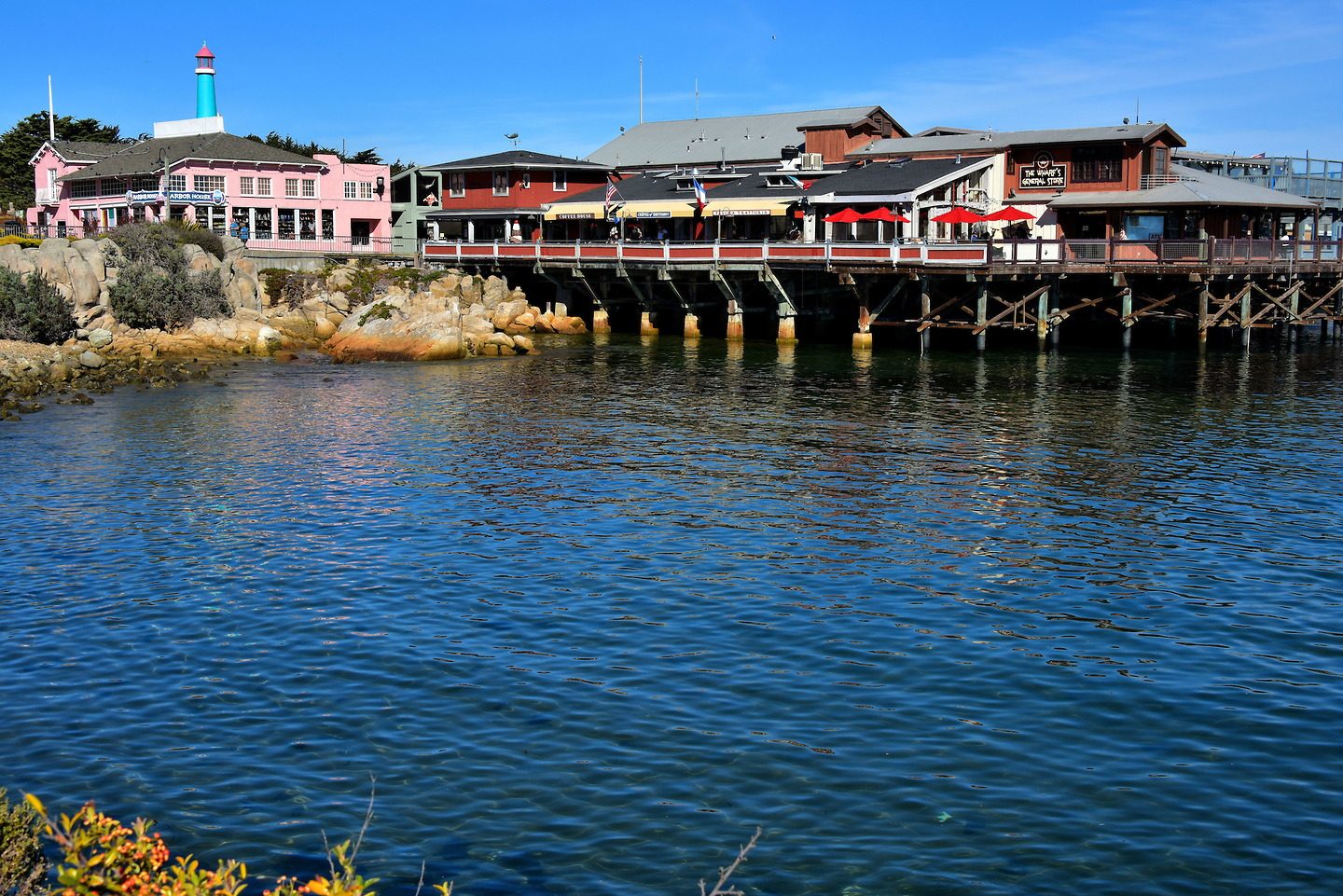
Old Fisherman's Wharf
Browse local shops, view sunbathing sea lions, and taste clam chowder samples on the historic pier where the boats dock.
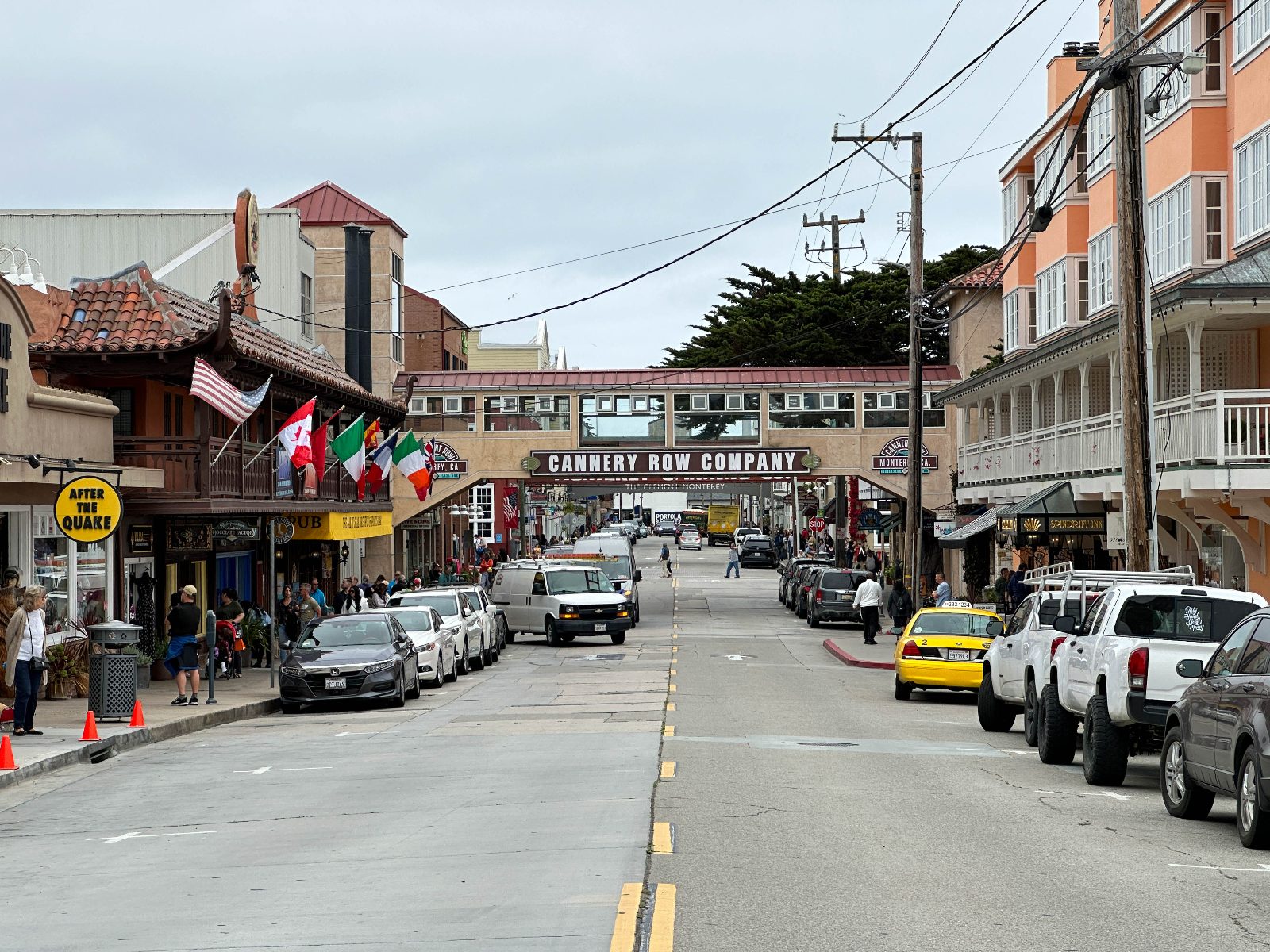
Cannery Row
Walk along the paved Monterey Bay Coastal Trail to explore historic canning factories converted into boutiques, galleries, and dining spots.
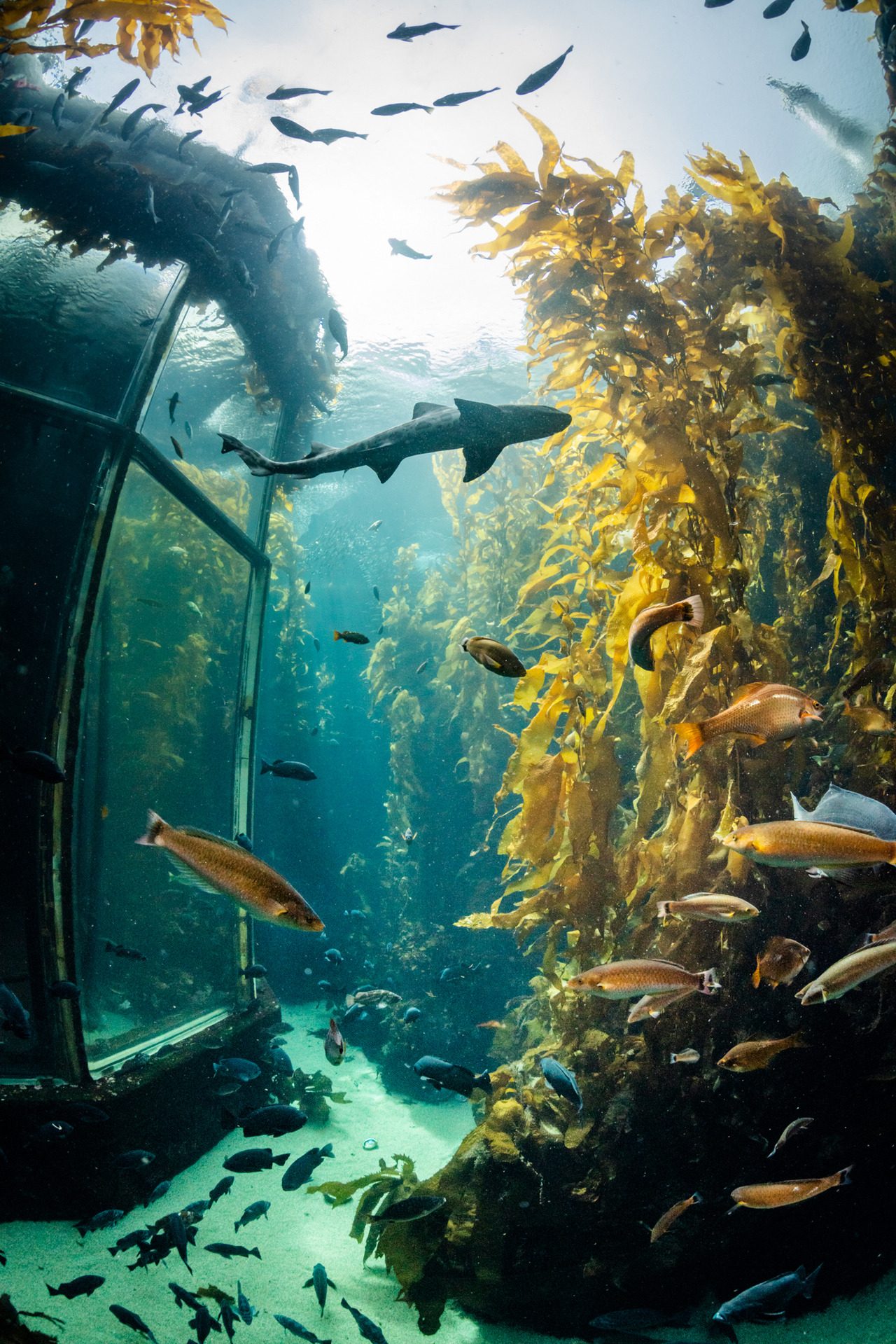
Monterey Bay Aquarium
Continue exploring regional marine life at the marine exhibits, sea otter habitats, and deep-sea displays located at the end of Cannery Row.
Check availability
Frequently asked questions about monterey whale watching time
Everything you need to know about monterey whale watching time